The Design Advice I Give Most Often and Why
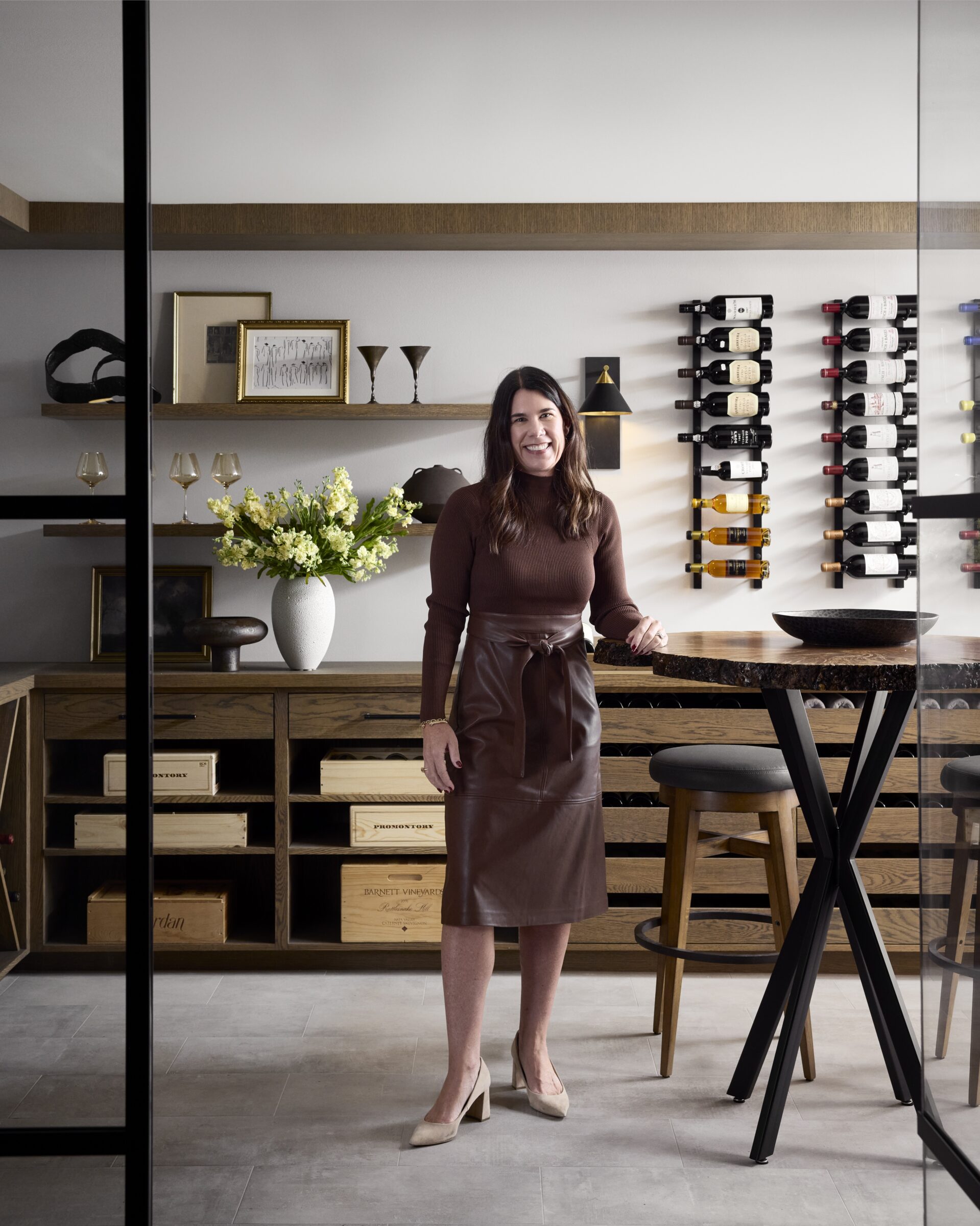
An Ask Glenna Perspective
Over the years, I have worked with clients at many different stages of life and in homes of every scale. While each project is deeply personal, I have noticed that the same underlying questions surface again and again. They are rarely about trends or specific pieces. More often, they reflect a desire for clarity and reassurance within a process that can feel both exciting and, at times, vulnerable.
The advice I give most often has been shaped by those conversations. It is guidance refined through experience, through observation, and through the quiet patterns that emerge when people truly begin living in the spaces we have designed together.
Q: What is the most important place to start when designing a home?
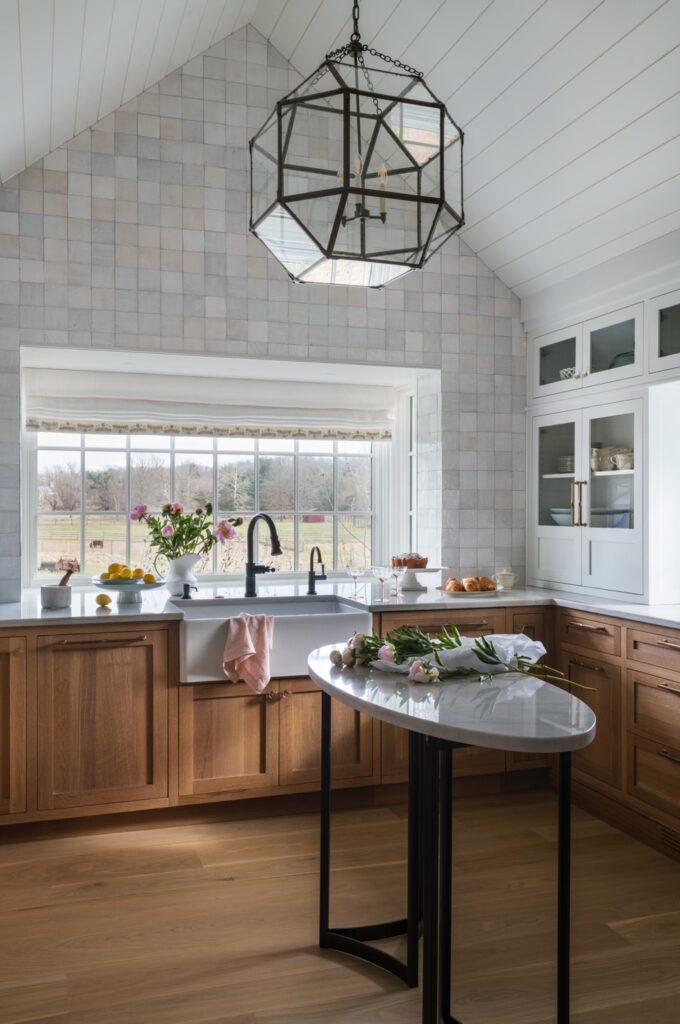
A: I always encourage clients to begin with how they want their home to feel, rather than focusing first on what they want it to contain. Images, furnishings, and finishes are useful tools, but on their own they are simply components. When they are developed thoughtfully and in relationship to one another, they create something more powerful… a feeling.
When we talk about how a space should support your daily rhythm, restore your energy, or foster connection, the design gains direction. Decisions become less about individual preferences and more about a shared intention. From that place, the home begins to feel cohesive because every choice is anchored in something deeper than aesthetics alone.
Q: Why do so many clients feel overwhelmed early in the design process?
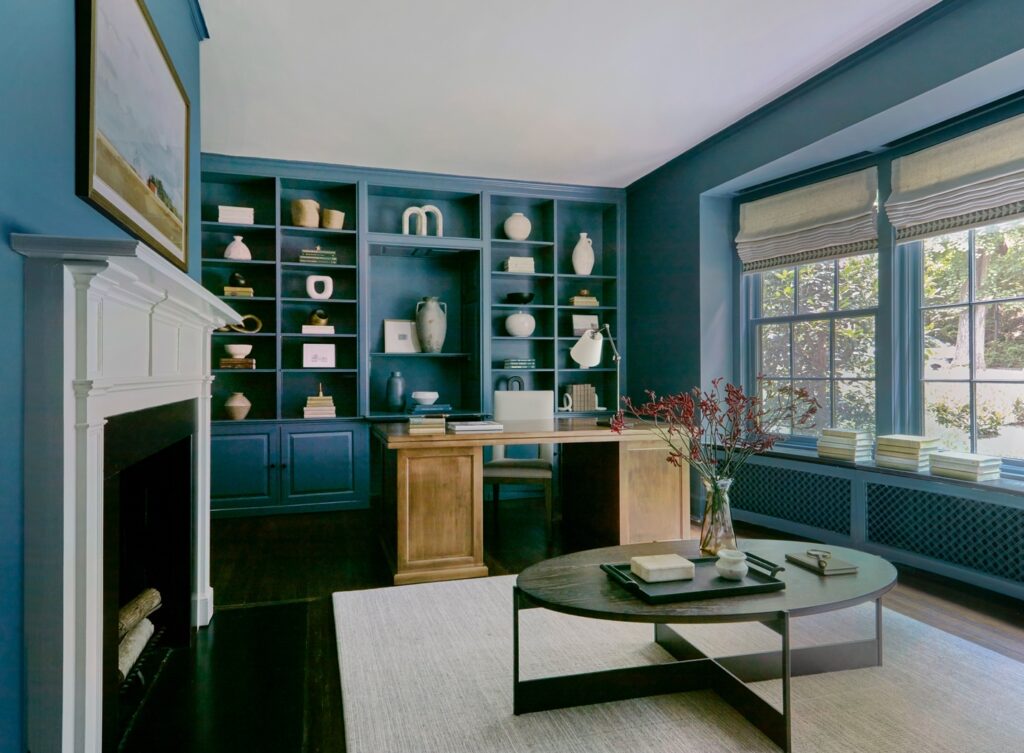
A: Overwhelm often stems from trying to resolve every layer of the design at once. There are many moving parts, such as architectural decisions, furnishings, materials, lighting, and without a clear sequence, even exciting choices can begin to feel heavy.
Early in a project, my role is to create structure within that complexity. We begin with the elements that shape everything else: layout, proportion, and flow. Once those foundational decisions are thoughtfully resolved, the process naturally becomes more manageable. What once felt urgent begins to feel organized, and decisions unfold with greater clarity.
Q: How do you help clients make decisions they feel good about long term?
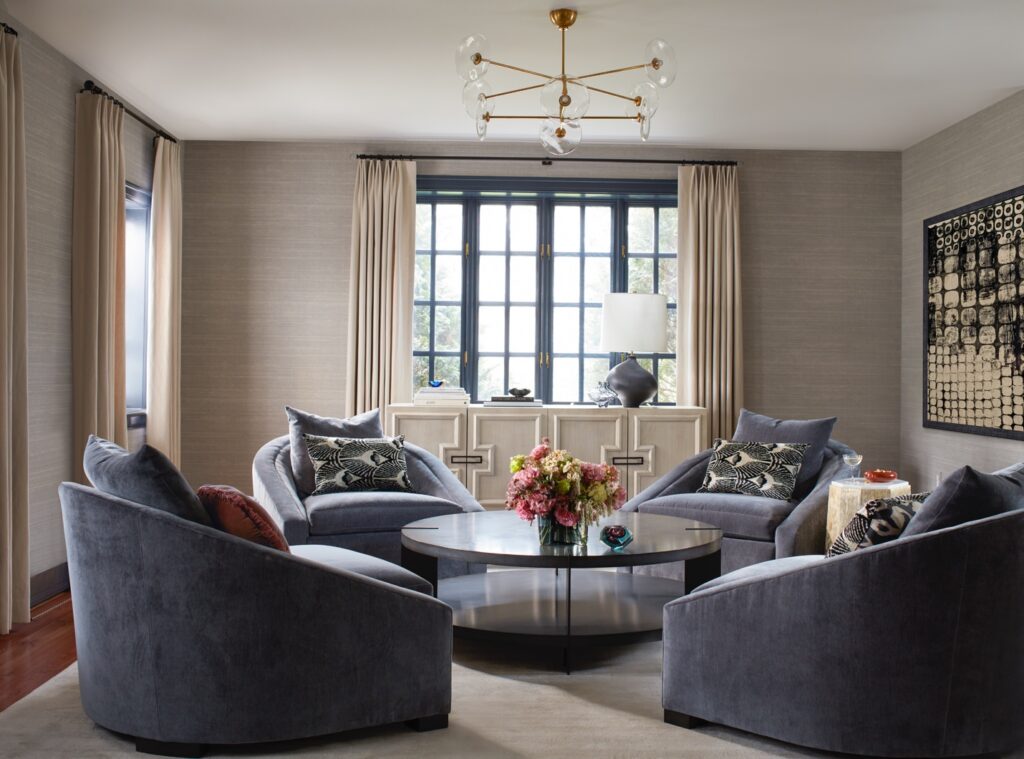
A: Much of it comes down to focus and to careful editing. Not every beautiful idea belongs in the same home, and not every option needs to be explored fully. Part of our responsibility is to refine the vision so that it remains clear and consistent from beginning to end.
When the field of choices is narrowed with intention, decisions feel steadier. Clients are not reacting in the moment; they are contributing to a larger, well-considered whole. Over time, that discipline is what allows a home to feel resolved rather than overdesigned, layered rather than crowded.
Q: How important is it to think beyond immediate needs when designing a home?
A: It is essential, because homes are not static and neither are the lives lived within them. A well-designed space should not only serve today’s routines, but also anticipate how those routines may shift over time.
We think carefully about how families grow, how priorities evolve, and how spaces might need to adapt. Layout, circulation, and material selections may not always command attention visually, yet they quietly shape daily comfort for years. Designing with that long view in mind allows a home to mature gracefully, supporting life as it unfolds rather than requiring constant correction.
Q: What ultimately defines successful design in your experience?
A: For me, successful design is not defined by a single moment or a dramatic reveal. It is defined by whether we have truly captured the feeling our clients hoped for and translated it into a space that reflects them in ways they may not have fully articulated themselves.
There is a particular moment I often witness: a client walking into their completed home and recognizing, almost immediately, that it feels aligned with who they are and how they want to live. The rooms support their daily rhythm, welcome family and friends with ease, and offer a sense of restoration at the end of the day.
When that happens, the design does not need to announce itself. It feels intuitive and composed, because every decision has been considered in relation to the whole.
And in many ways, that brings us back to where we began. If we start not with objects, but with feeling, and remain anchored to that intention throughout the journey, the result is a home that does more than meet expectations. It delivers the sense of ease and belonging our clients were seeking all along, often in ways that gently exceed what they imagined possible.
That is the advice I return to, year after year.
– Glenna