What Clients Rarely See: The Early Decisions That Shape a Project
Long before construction is visible or interiors take shape, the success of a home is determined by decisions most clients never see. In the earliest phase of design – listening, questioning, editing, and aligning – projects quietly find their footing. What happens here shapes not only the outcome, but the experience of everything that follows.
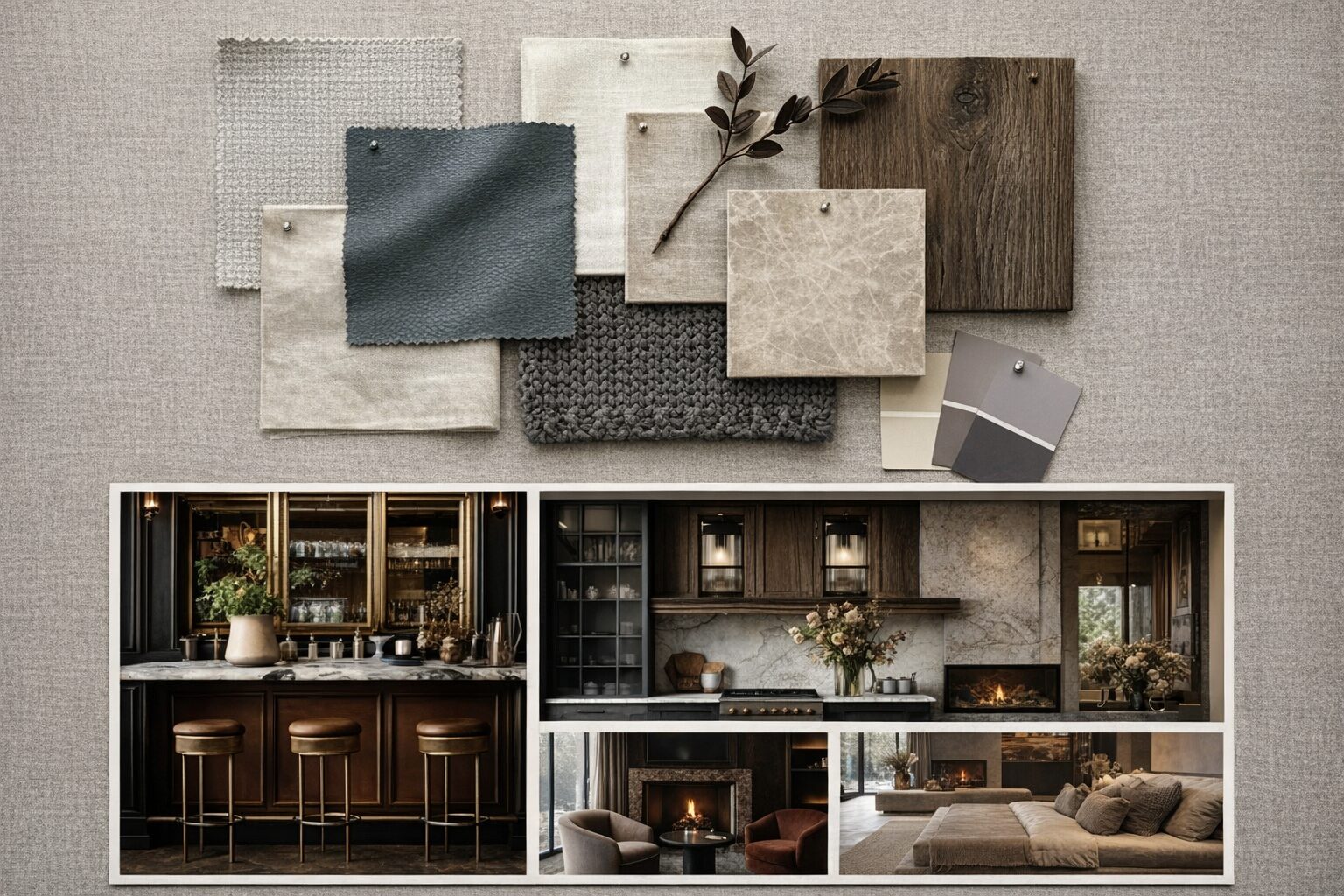
The work that begins before anything is drawn
Right now, we are deep in the early stages of a large new build for clients in New Hope. On the surface, very little appears to be happening. There are no finished rooms to photograph, no furnishings to install, no moments of reveal.
Yet this is where some of the most important work is unfolding.
Days are spent in conversation – about how the home will feel across seasons, how spaces should support both quiet routines and gatherings, how the architecture and interiors should speak the same language. We are studying how light moves across the site, how views will be framed, and how the home will be experienced as one moves from room to room.
None of this is visible yet. All of it matters deeply.
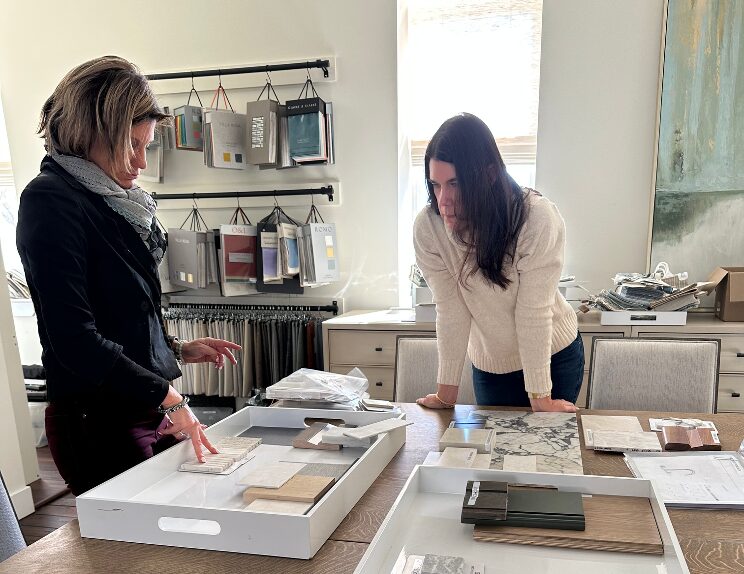
early decisions create the ceiling for what’s possible
In a project of this scale, early alignment is everything. Decisions made now quietly establish the language the home speaks.
In New Hope, that has meant slowing the process before accelerating it – ensuring that spatial relationships feel resolved before details are layered in, and that architectural intentions are fully understood before interior concepts are refined.
When this work is done thoughtfully, rooms feel intuitive rather than impressive for their own sake; materials feel intentional and effortless, not decorative; and later decisions feel guided, not forced.
The goal isn’t speed. It’s confidence.
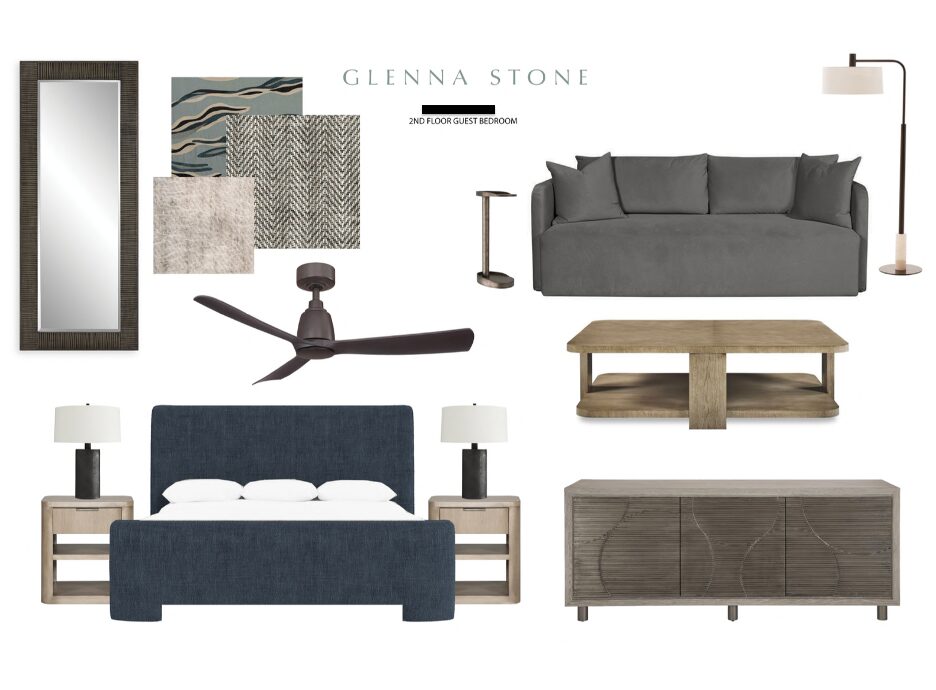
Editing before design ever becomes visible
Editing does not happen in isolation, and it does not happen without seeing and touching materials. In this phase, we are actively pulling finishes, textures, and references that align with the visual story beginning to take shape.
We explore materials in conversation with our clients, watching closely for what resonates. What draws them in. What feels right instinctively. These early reactions matter, because they reveal the emotional language of the home long before it is articulated in words.
From there, the editing begins.
It is not about narrowing for the sake of simplicity. It is about artfully combining what the client responds to most, refining relationships between materials, and shaping them into a cohesive whole. Each selection is considered not only on its own, but in dialogue with the others, so that together they support the feeling we want the home to evoke.
This is where intuition and discipline meet. Where abundance is refined into intention. And where the emotional experience of the home begins to take its clearest form, long before anything is installed.
Designing the experience, not just the home
The early phase also shapes something clients often don’t expect: how the process itself will feel.
In a complex new build like this one, thoughtful early planning creates space for ease later. It allows clients to stay connected without being consumed, informed without being overwhelmed. Decisions unfold in sequence, rather than all at once.
This doesn’t happen by chance. It’s the result of careful orchestration, clear communication, and a deep respect for the trust clients place in us from the beginning.
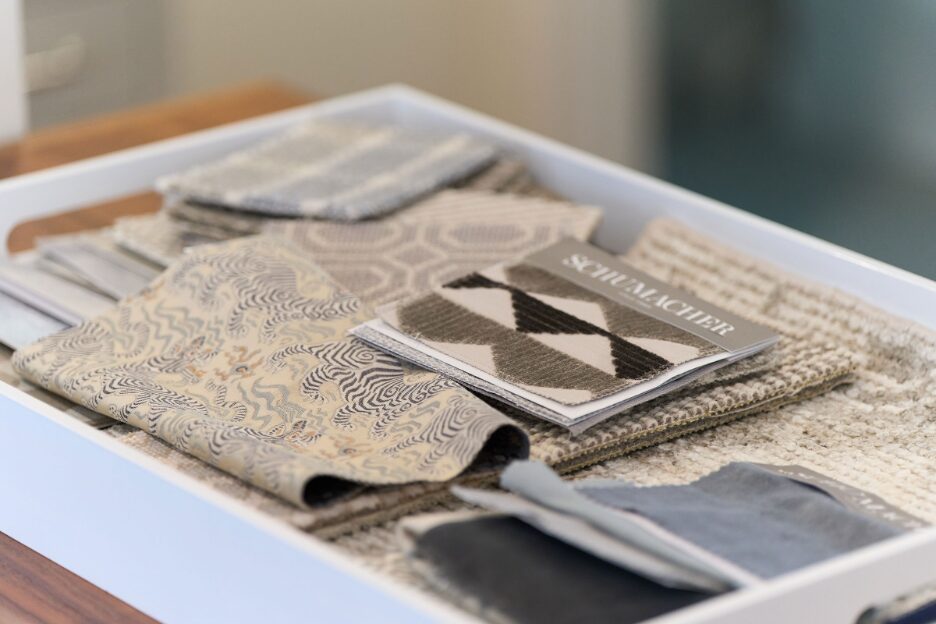
when the quiet work is done well
Months from now, when this New Hope home begins to take physical form, the early decisions will no longer be visible. What will be visible is the result: spaces that feel resolved, calm, and deeply considered.
That is the mark of good early design work – it disappears into the experience of living.
What clients rarely see is not a lack of activity, but an abundance of intention. And it is this invisible phase that allows everything that follows to feel exactly as it should. The most meaningful design work often happens long before it’s seen; it lives in the decisions that guide everything else.
-Glenna