The Future of Luxury Interior Design: Where Technology Meets Human Connection
What AI Can and Cannot Replace
As the design industry evolves, one thing is becoming increasingly clear: technology may change how we work, yet it cannot replace the human experience at the heart of exceptional interior design.
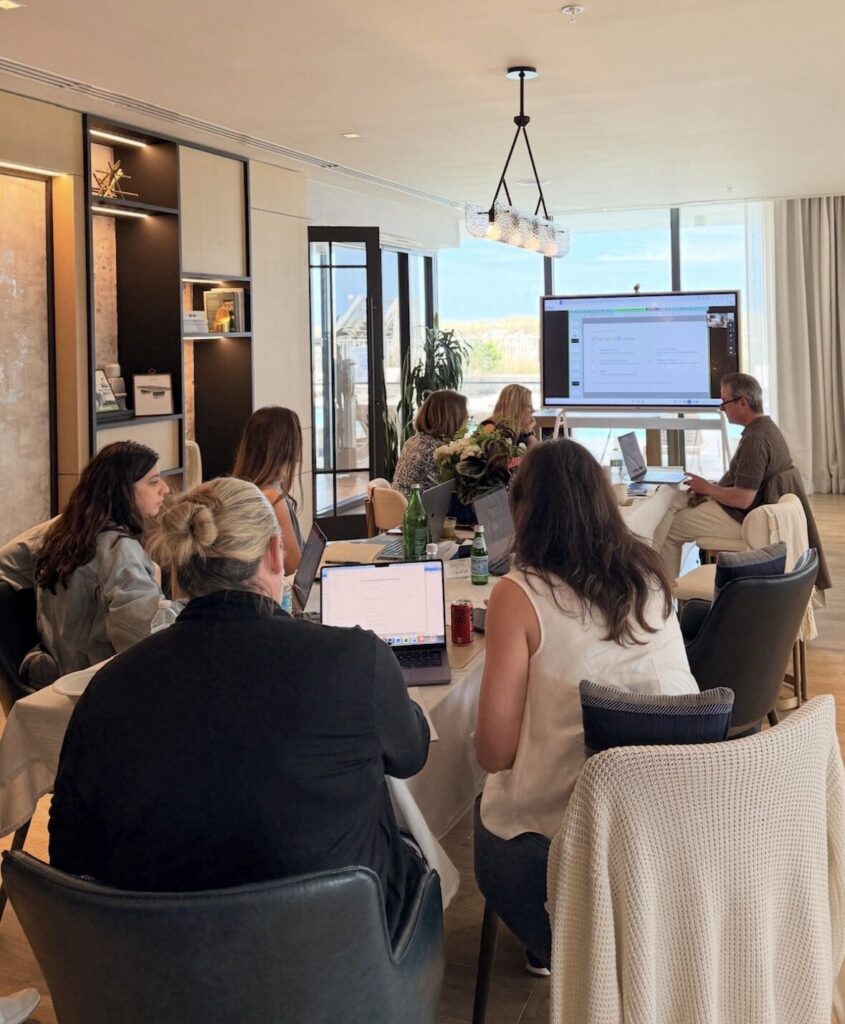
During a recent retreat with fellow design firm leaders, I was reminded how valuable it is to gather with peers who have spent years growing alongside one another professionally. Many of us have built businesses in parallel across the country, navigating similar challenges while continuously refining what luxury service looks like today. Over time, those relationships have evolved into something far more meaningful than networking. They have become a trusted exchange of insight, perspective, and shared experience.
There is tremendous value in stepping away from daily operations to benchmark with other firms and openly discuss the realities of running creative businesses at a high level. Our conversations extended far beyond technology. We discussed leadership, staffing, construction costs, client communication, and the operational systems that support exceptional service. What stood out most was the openness within the group and a shared commitment to strengthening not only our own firms, but the design industry as a whole.
One topic surfaced repeatedly throughout the retreat: artificial intelligence and its growing role in interior design. The perspective shared among many experienced firms felt balanced and thoughtful. Technology can absolutely improve efficiency, organization, and communication behind the scenes. Yet every designer in the room agreed that luxury interior design remains deeply personal work rooted in trust, intuition, creativity, and human connection.
At Glenna Stone Interiors, we believe innovation should enhance the client experience while protecting the collaboration and emotional understanding that define exceptional design. The future of luxury interior design lies not in replacing people with technology, but in using technology to create more space for creativity, relationships, and highly personalized service.
Where AI Can Support the Design Process
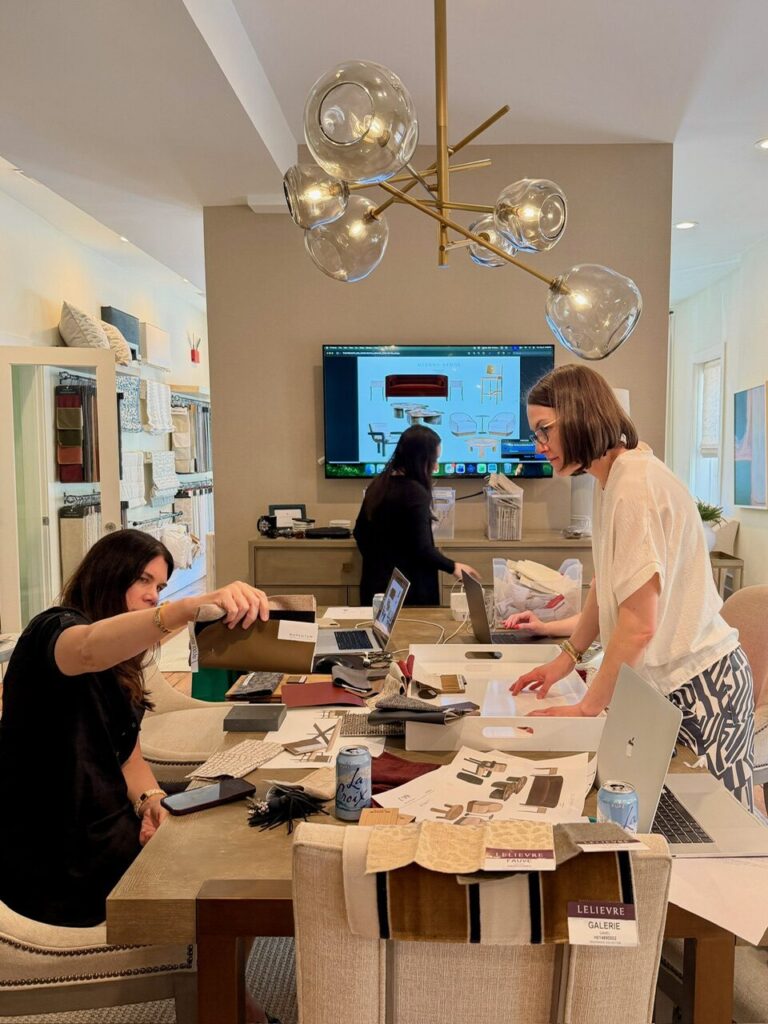
One of the most interesting parts of the retreat was hearing how firms are beginning to integrate AI into operational workflows to create greater efficiency behind the scenes. Conversations focused less on replacing creativity and more on supporting the structure required to run a thoughtful, client-centered design firm.
Training documents, onboarding systems, meeting summaries, scheduling coordination, and presentation organization all require significant administrative time. These are the areas where AI can become genuinely useful. If systems become more streamlined, design teams have more time to focus on creativity, collaboration, and the client experience itself. Technology should support creativity, not compete with it.
We also discussed how rapidly visualization tools and rendering software are evolving. AI-generated imagery has become increasingly sophisticated and can help communicate conceptual ideas more clearly during early phases of design development. Used thoughtfully, these tools can support exploration and help clients better understand possibilities within a space.
Still, every designer in the room acknowledged one important distinction: there is an enormous difference between generating an image and creating a home.
The Human Side of Design Cannot Be Automated
Design is deeply personal work. Long before a room takes physical shape, there are conversations happening about how clients live, what brings them comfort, how they gather, and what memories they carry into a new chapter of life. None of that can be extracted from a prompt.
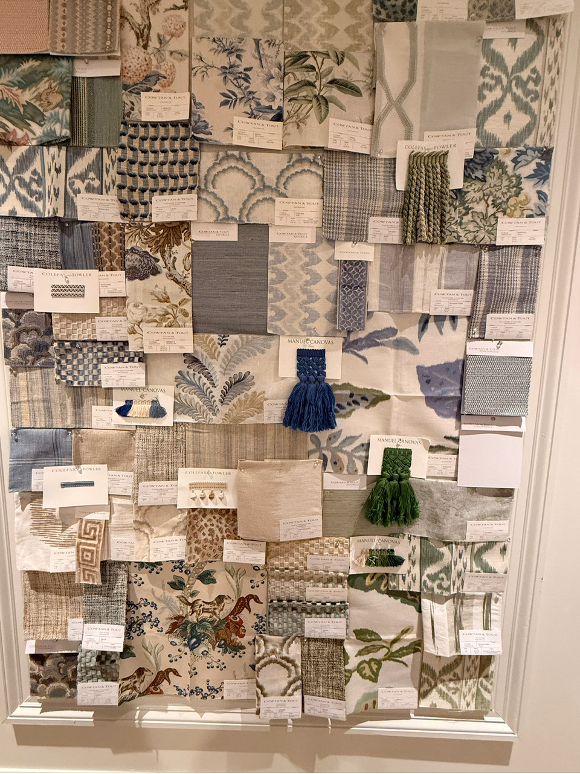
What we do as designers is not simply assemble beautiful materials. We interpret emotion. We recognize hesitation that is never spoken aloud. We understand when a client is responding to a feeling rather than a finish. Those moments require empathy, intuition, and trust developed over time.
During the retreat, we spent as much time discussing relationships as we did technology. The most valuable insights rarely came from software recommendations. They came from hearing how another firm navigated a difficult conversation, refined a process, or strengthened a client relationship with care and intention.
In many ways, those conversations reinforced something increasingly important in today’s digital landscape: technology may improve efficiency, but it cannot replace shared experience, creativity, or genuine human connection. It cannot recreate the value of creative business owners gathering together to exchange ideas openly and challenge one another to grow.
That exchange reminded me that design has always been collaborative at its core. Even within a highly sophisticated business structure, our work remains profoundly human.

Why Collaboration Matters More Than Ever
What stayed with me most after returning home was not a specific software platform or operational strategy. It was the reminder that no meaningful business grows in isolation.
Our retreat was built around honest conversation among peers willing to share both successes and challenges openly. We discussed construction pricing, staffing, client expectations, leadership, and future planning. There was generosity in those conversations and a shared willingness to learn from one another rather than compete.
In many ways, that spirit feels like the most important counterbalance to the current conversation around AI. Technology can improve systems and support efficiency, but it cannot replace community, mentorship, perspective, or collaboration.
As our industry continues evolving, I believe the firms that will thrive are the ones willing to embrace innovation thoughtfully while remaining deeply connected to the human side of design. The future does not belong entirely to technology, nor entirely to tradition. It lives somewhere in the relationship between the two.
What clients ultimately remember is rarely the software behind the process. They remember how they felt during it. They remember whether the experience felt collaborative, calm, understood, and intentional. They remember whether the home reflected who they truly are.
That has never been automated.
– Glenna