The Value of Planning in an Era of Rising Costs

One of the things I have come to appreciate most about residential design is that our work is rarely just about creating beautiful spaces. At its best, it provides clarity. It helps people understand what is possible, what matters most, and how to move forward with confidence toward a home that reflects the life they want to live.
That clarity has become increasingly important in recent years. Construction costs, labor availability, material pricing, and lead times continue to shift in ways that can be difficult to predict. More often than not, there is a significant gap between the moment a vision begins to take shape and the moment trades are pricing the work or materials are being ordered. What clients are feeling is not simply the cost itself, but the uncertainty surrounding it.
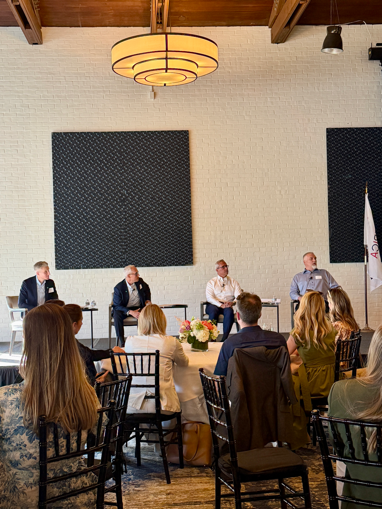
Recently, our team attended a “Cost of Building Symposium” hosted by Ernst Brothers. What struck me most was the openness of the conversation. Builders, designers, and industry partners were discussing a subject that was once approached cautiously, if at all. There was a shared recognition that transparency serves everyone. The more clearly we can discuss investment, expectations, and priorities from the outset, the better experience we create for our clients and the stronger the outcome becomes.
Why costs feel harder to predict
The building environment has become more complex than it once was. Material pricing continues to fluctuate, skilled labor remains in high demand, and economic factors can influence projects long before construction begins. Certain categories, including windows, paint, and structural materials, have seen notable increases over the past several years.
What makes this particularly challenging is timing. Decisions made during design may not be priced or purchased until months later. There is often a delay between imagining a space and understanding exactly what it will cost to build. While uncertainty cannot be eliminated entirely, it can be managed through thoughtful planning and open communication.
Why we budget early
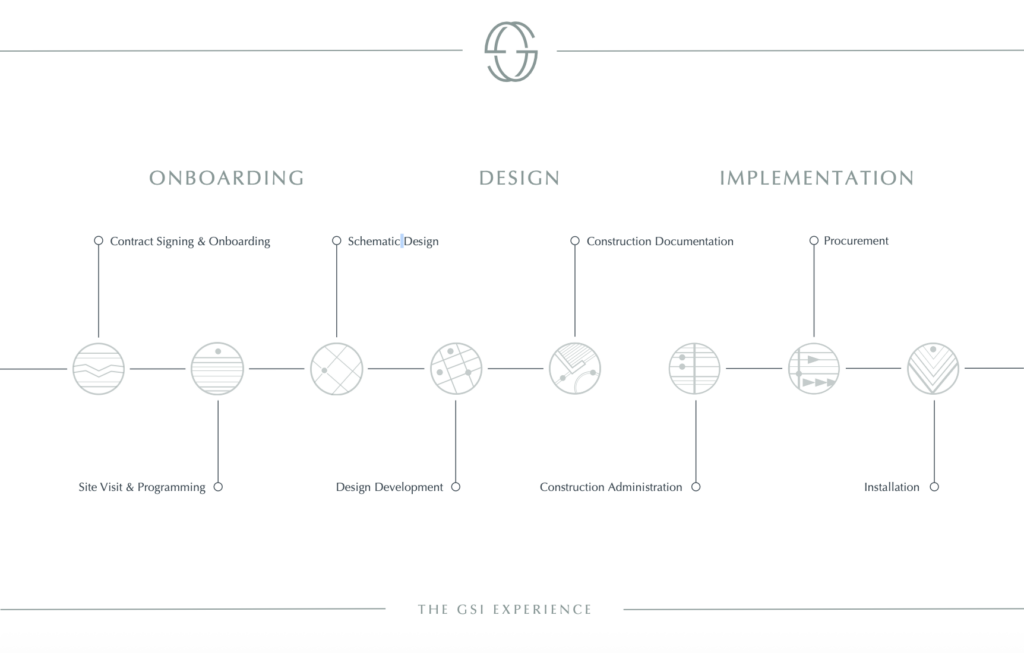
At Glenna Stone Interiors, we develop preliminary budgets at the end of the schematic design phase because that is where vision and reality begin to meet. By that point, we have enough information to establish meaningful expectations while still maintaining flexibility to refine the project thoughtfully.
One of the most valuable ideas discussed at the symposium was the importance of involving builders early in the process. Design needs pricing to inform decisions, yet pricing requires enough design development to understand what is being built. When designers and builders collaborate from the beginning, clients gain a clearer understanding of priorities, opportunities, and tradeoffs before decisions become costly to reverse.
During the event, Ernst Brothers provided the analogy of thinking of the process as shopping without price tags; this certainly resonated with me. It is difficult to make confident decisions when critical information arrives too late. Early budgeting provides a framework that allows everyone to move forward with greater clarity and confidence.
Protecting what matters most
Another concept that resonated with me was the distinction between essential elements and desirable additions. Every project has features that are fundamental to how a family lives, along with ideas that can be explored if budget and priorities allow.
Establishing that distinction early helps clients focus on what will have the greatest impact on daily life. It also makes decision making less overwhelming. Rather than reacting to numbers after the fact, families can evaluate options through the lens of their goals and values.
I rarely encourage compromise on the elements that shape how a home functions and endures. Quality construction, thoughtful cabinetry, excellent lighting, and skilled craftsmanship continue to provide value long after a project is complete. Decorative elements can often evolve over time. The goal is not simply to spend less. It is to invest wisely.
The value of stewardship
One word that surfaced repeatedly during the symposium was stewardship. I found myself returning to that idea because it reflects how I believe design teams should serve their clients.
Stewardship means helping guide a project with care. It means communicating openly about tradeoffs, helping clients understand the implications of decisions before they are made, and ensuring that scope remains aligned with priorities. Most importantly, it means recognizing that every investment represents trust.
The most successful projects are not the ones without challenges, they are the ones where trust has been established before challenges arise. Good planning cannot eliminate every variable. What it can do is create confidence. When expectations are established early, priorities are understood, and the right team is involved from the beginning, the process becomes calmer, more focused, and ultimately more rewarding.
That, ultimately, is what good planning delivers: not just a successful project, but the trust, clarity, and confidence that make the journey as rewarding as the result.
- – Glenna